



How Plastic Food Container Suppliers Make Your Investment Valuable
Learn how plastic food container suppliers make your investment valuable with durable, food-safe packaging from Uratex Ready-Wrap Solutions.
Read MoreOverview
- Polyurethane foam offers a versatile material that balances comfort, durability, and energy efficiency across industries.
- Its flexible and rigid types cater to applications from cushioning to insulation, optimized by cellular structures.
- For trusted, high-quality bulk polyurethane foam in the Philippines, Uratex stands out with over 55 years of expertise and innovative manufacturing solutions.
Polyurethane foam plays a vital role across industries, from hospital beds and hotel mattresses to car interiors and packaging inserts. This makes it one of the most relied-on materials today.
As companies look for sustainable, energy-efficient solutions, its demand continues to rise, with the market expected to grow at a 6.5% CAGR through 2028. However, with so many formulations and uses available, selecting the right type can feel overwhelming for teams and decision-makers. This is why having a comprehensive guide to polyurethane foam is essential for understanding its strengths, limitations, and ideal applications.
In this article, we break down its features in simple terms and explore where each type performs best. It also highlights the foam options that are best matched to the demands of sectors like manufacturing, construction, healthcare, and packaging.
Polyurethane foam is used across industries because its structure, density, and durability can be engineered to meet highly specific performance demands. To understand why choosing the right variant matters, it helps to first look at how this versatile material is made.
PU foam is produced through a controlled chemical reaction that results in a flexible, durable, and highly customizable structure. By adjusting its components and manufacturing parameters, suppliers can create foams with different densities, support levels, and functional properties.
Polyurethane foam begins with two key ingredients: polyols and diisocyanates. Polyols determine the foam’s softness and flexibility, while diisocyanates give it structure, strength, and durability. Manufacturers adjust the chemical formulation of polyurethane components to produce foams with precise densities, firmness, and resilience.
This customization ensures each foam meets specific performance requirements for its intended application.
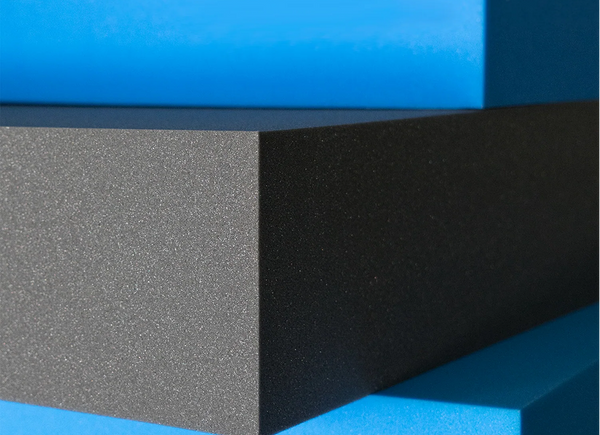
From the base components, PU foam can be engineered into two primary categories: flexible and rigid. Flexible foam is compressible and impact-absorbing—ideal for seating, bedding, and protective packaging. Rigid foam is firm, stable, and maintains its shape under pressure. Its strength and durability make it ideal for insulation, construction panels, and applications requiring structural support.
Choosing between the two ensures that each product delivers the right balance of comfort, strength, and longevity.
PU foam can also differ in its internal cell structure, which plays a major role in how it behaves in real-world use. Open-cell foam has interconnected pores, making it soft, breathable, and effective for cushioning and acoustic applications, though it absorbs moisture more easily. Closed-cell foam is denser with sealed cells, offering superior insulation, moisture resistance, and durability under pressure.
Understanding these distinctions helps teams select foam that meets both functional and environmental performance needs.

Once the foam’s components, type, and cell structure are determined, the production process begins. The steps typically include:
This step-by-step process ensures that each batch of polyurethane foam delivers the desired balance of comfort, durability, and performance.
After production, polyurethane foam’s performance is defined by its unique properties. These characteristics determine how the material responds to pressure, heat, and long-term use, influencing its suitability for different applications.

Thanks to its versatility and performance, polyurethane foam is a trusted solution across industries. Its unique combination of compressibility, durability, insulation, adhesion, and flame resistance makes it ideal for a wide range of business applications.
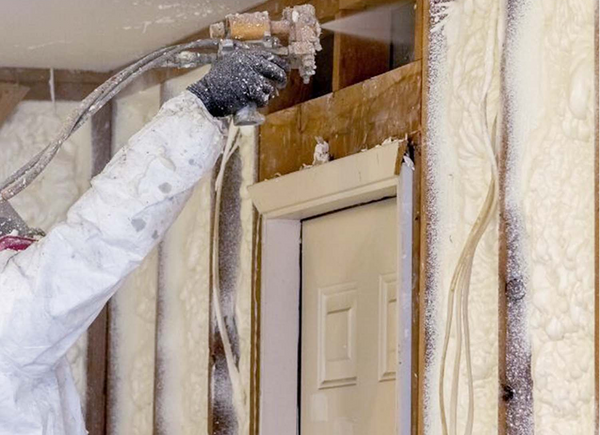
Polyurethane foam enhances energy efficiency, provides structural support, and reduces noise in buildings.
Sample Products: Spray foam insulation, sealants and adhesives, insulated panels, pipe insulation, and fire-rated foams
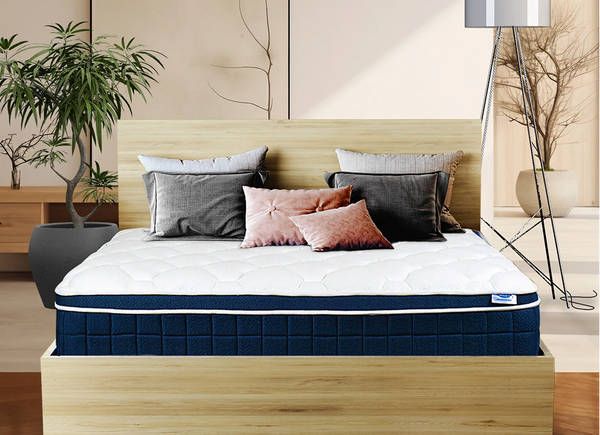
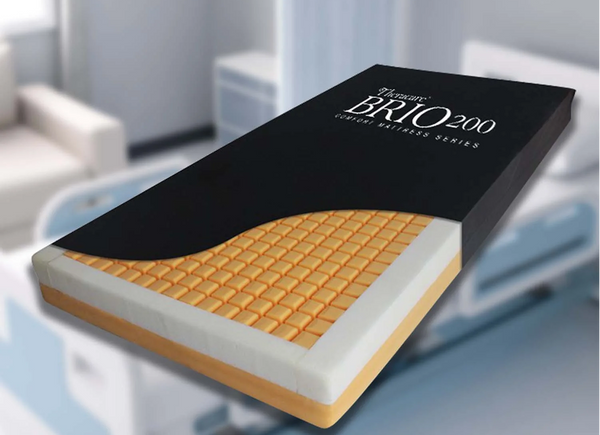
Foam is molded or layered to deliver cushioning, ergonomic support, and long-lasting comfort in furniture and bedding. It helps manufacturers maintain product quality and performance across various designs.
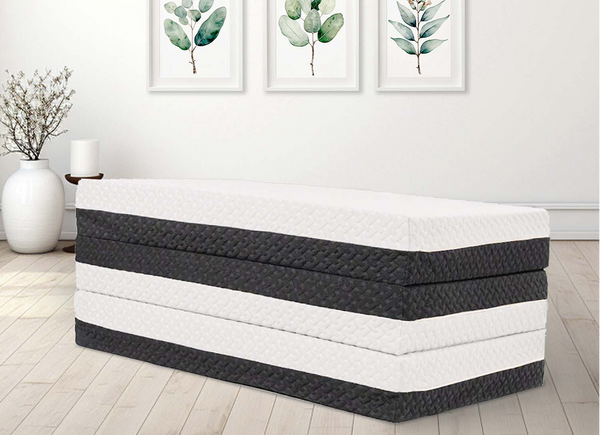
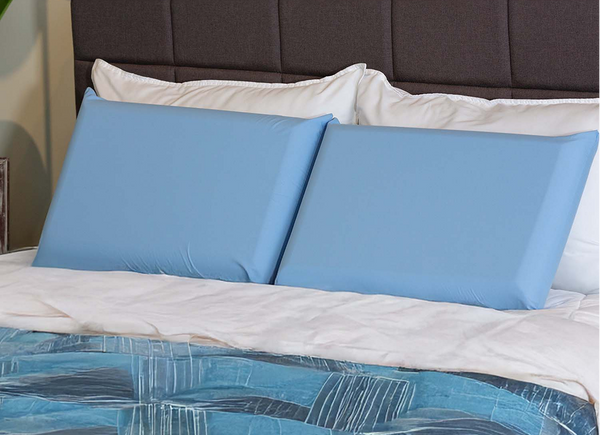
Sample Products: Mattresses, sofa cushions, recliner padding, office chair cushions, headboards and upholstered furniture, pillows and toppers
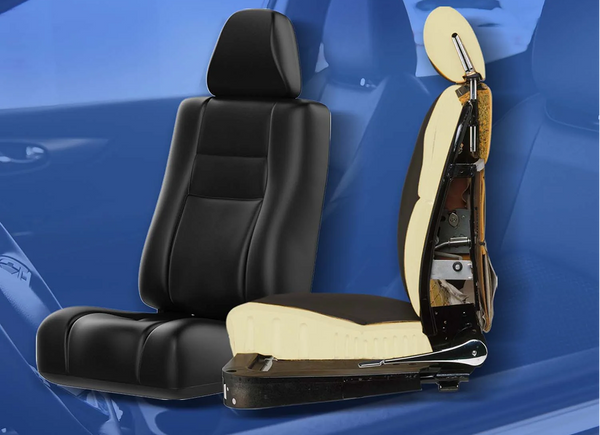
Shaped for seating, padding, and panels, PU foam improves ride comfort, impact absorption, and passenger safety. Its adaptability allows flexible designs while maintaining consistent quality.
Sample Products: Car seats, headrests, armrests, door panels, dashboard padding, steering wheel covers, seat cushions
Cut or molded to fit products, polyurethane foam protects items from impact during transport and storage. Businesses rely on it to secure fragile or high-value goods while optimizing space and reducing material waste.
Sample Products: Protective inserts, cushioning pads, custom foam trays, equipment liners, electronic device padding, molded packaging for appliances
From medical and sports equipment to industrial and leisure applications, PU foam provides tailored cushioning, support, and insulation. Its adaptability enhances safety, comfort, and performance across specialized uses.
Sample Products: Medical cushions, sports mats, soundproof panels, insulation panels, exercise equipment padding, specialty gaskets, and seals
For businesses seeking bulk polyurethane foam, Uratex has been a trusted industry leader since 1968, offering over 55 years of manufacturing expertise. With state-of-the-art facilities and strict adherence to international standards, we deliver both reliability and innovation.
From standard foam sheets to fully customized solutions, we provide durable products designed to meet the diverse needs of your business.
This comprehensive guide to polyurethane foam highlights how its composition, production methods, and unique properties make it a versatile solution for multiple industries. By understanding these factors, companies can select the right foam to enhance comfort, protection, and operational efficiency.
For dependable, high-quality polyurethane foam in the Philippines, Uratex delivers over 55 years of experience in durable, compliant, and customizable solutions. Contact us today to discuss bulk orders, tailored formulations, or expert consultation for your business needs.
Learn how plastic food container suppliers make your investment valuable with durable, food-safe packaging from Uratex Ready-Wrap Solutions.
Read MoreLearn how local plastic food container suppliers support faster business growth with reliable packaging from Uratex Ready-Wrap Solutions.
Read MoreLearn how bulk food container supply helps improve cost control with Uratex Ready-Wrap Solutions, such as microwavable, freezer-ready, and biodegra...
Read More