












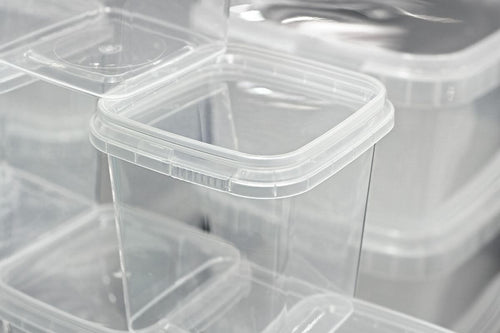
How Plastic Food Container Suppliers Make Your Investment Valuable
Learn how plastic food container suppliers make your investment valuable with durable, food-safe packaging from Uratex Ready-Wrap Solutions.
Read MoreOverview
- Standard hospital mattresses heighten risks of pressure ulcers, poor hygiene, and injuries due to inadequate pressure relief, fluid absorption, and incompatibility with adjustable beds.
- Medical beddings rigidity and size mismatches complicate patient repositioning, elevate fall hazards, and disrupt safety features like bed rails.
- Uratex provides high-performing, durable hospital mattresses with PU foam cores, fluid-resistant surfaces, and flexible designs for optimal care in Philippine facilities.
Many healthcare facilities operate on the assumption that a mattress is a mattress—functional enough as long as it fits the bed frame. In medical environments, however, that assumption often overlooks the realities of continuous patient use, strict hygiene protocols, and the need for consistent support throughout long recovery periods. These pressures quickly reveal why standard mattresses fall short in hospitals and medical facilities, especially when they’re not designed for clinical demands. Over time, gaps in durability, sanitation, and pressure management can affect both patient care and day-to-day operations.
As a trusted supplier, Uratex aims to help healthcare facilities better understand these hospital bedding requirements and support informed decisions that align with their specific care and operational needs. Keep reading to learn more!
One of the clearest limitations of using ordinary mattresses in healthcare settings is how they handle prolonged pressure. Unlike home environments, medical facilities often care for patients who spend extended periods in bed, sometimes with limited mobility. Standard mattresses are not designed for this level of sustained use, which makes pressure management a critical concern.
Pressure ulcers—commonly referred to as bedsores—develop when constant pressure restricts blood flow to specific areas of the body, such as the heels, hips, shoulders, and lower back. On conventional mattresses, weight is not evenly distributed, causing these high-risk areas to absorb excessive pressure during long periods of rest.
Over time, this uneven load can lead to skin breakdown, discomfort, and delayed recovery. In healthcare environments, these issues often translate into longer patient stays, additional interventions, and increased demands on care teams.
Standard mattresses are typically designed for general comfort rather than targeted anatomical support. Without built-in zoning or pressure-relieving structures, they do not adapt well to different body areas or changing patient positions.
As a result, staff may need to reposition patients more frequently or rely on temporary solutions, which disrupt daily care routines and increase physical strain. Purpose-built medical mattresses address these challenges by providing consistent, responsive support that aligns with clinical care requirements instead of household use.

Healthcare beds are designed to adjust, articulate, and support patient care activities, and mattresses must work in sync with these movements. When bedding is not built for medical bed systems, it can compromise positioning, comfort, and safe caregiving.
Standard mattresses are often too rigid or structurally inflexible to bend smoothly with adjustable hospital beds. When the head, back, or legs are elevated, an inflexible mattress may resist movement, fold incorrectly, or lose surface support.
This misalignment can create pressure points, restrict circulation, and reduce patient comfort during treatment, recovery, or daily care routines. For staff, it also makes safe repositioning more difficult, increasing physical strain and disrupting efficient care delivery.
Non-medical mattresses are not always manufactured to precise hospital bed dimensions. Even small size mismatches can lead to gaps, overhangs, or uneven edges, which affect both patient stability and safety.
Poor fit increases the risk of sliding, uneven support, and accidental shifting during movement or transfers. It can also complicate the use of protective covers and make routine hygiene and bed management more challenging for healthcare teams.
In healthcare environments, bedding must support routine cleaning, disinfection, and infection-control protocols. Standard mattresses, which are typically designed for home or commercial use, are not always built to withstand these requirements. Over time, this can make consistent hygiene management more challenging in clinical settings.
In hospitals and clinics, mattresses may be exposed to spills, bodily fluids, and frequent cleaning. When mattress materials are not designed to resist moisture, fluids can penetrate beyond the surface layer.
Even if the exterior appears clean, retained moisture can make thorough sanitation more difficult and may contribute to odor retention or material degradation. As a result, facilities may need to increase monitoring, cleaning frequency, or replacement intervals to maintain hygiene standards.
Standard mattresses often use fabrics, seams, and internal structures that are not sealed for clinical use. These construction limits can reduce the effectiveness of surface-level cleaning, especially when compared to mattresses designed specifically for healthcare environments.
In addition, repeated exposure to hospital-grade disinfectants may cause non-medical materials to wear down more quickly. As surfaces degrade, maintaining consistent cleanliness becomes harder, increasing the operational effort required to meet infection-control protocols.

Healthcare environments place consistent demands on mattresses, from frequent patient movement to regular cleaning and repositioning. While standard mattresses may perform adequately in non-clinical settings, they are not always designed with these operational conditions in mind, which can create limitations over time.
In medical beds, mattress dimensions, thickness, and flexibility need to align with built-in safety features such as bed rails, positioning supports, and monitoring systems. When a mattress does not fit or flex as intended, it can reduce how effectively these features function.
Over time, misalignment may require additional adjustments from staff or limit how safely patients can be positioned, particularly for those with mobility restrictions. This adds complexity to daily care routines and highlights the importance of bedding designed to work seamlessly with medical equipment.
Hospital mattresses are used around the clock and are frequently adjusted, rotated, and cleaned. Standard mattresses, which are typically built for intermittent residential use, may show signs of wear sooner under these conditions.
As support layers compress or materials soften, facilities may notice reduced comfort consistency and shorter replacement cycles. While this doesn’t happen immediately, it can gradually increase maintenance demands and long-term costs, reinforcing the need to evaluate durability in relation to clinical use.
Uratex supports healthcare facilities in the Philippines with hospital mattresses designed for clinical use, not residential accommodations. Our products are built to align with medical bed systems, routine sanitation protocols, and continuous patient use—helping facilities avoid the operational limitations of standard mattresses.
Each mattress is engineered with durable PU foam cores, easy-to-clean and fluid-resistant surfaces, and flexible construction suited for adjustable hospital beds. This allows healthcare teams to maintain consistency in patient care while managing long-term durability and compliance more effectively.
Understanding why standard mattresses fall short in hospitals and medical facilities helps healthcare institutions make better-informed bedding decisions. Residential mattresses are not designed to address pressure management, hygiene demands, or compatibility with clinical equipment.
Uratex provides hospital-grade mattress solutions developed specifically for medical environments, combining durability, hygiene support, and operational fit. With institutional expertise and bulk supply capabilities, we help facilities plan bedding that supports both patient care and long-term operational needs.
Reach out to us today to learn more about our offerings and how we can support your facility’s needs.
Learn how plastic food container suppliers make your investment valuable with durable, food-safe packaging from Uratex Ready-Wrap Solutions.
Read MoreLearn how local plastic food container suppliers support faster business growth with reliable packaging from Uratex Ready-Wrap Solutions.
Read MoreLearn how bulk food container supply helps improve cost control with Uratex Ready-Wrap Solutions, such as microwavable, freezer-ready, and biodegra...
Read More