







How Plastic Food Container Suppliers Make Your Investment Valuable
Learn how plastic food container suppliers make your investment valuable with durable, food-safe packaging from Uratex Ready-Wrap Solutions.
Read MoreOverview
- Choosing safe plastic food packaging is critical for restaurant owners to protect consumer health under Republic Act 10611.
Philippine FDA standards regulate chemical migration limits from heat and moisture.- Using certified food-grade plastics like Uratex's BPA-free Ready-Wrap containers ensures strict compliance, operational durability, and enhanced takeaway food safety.
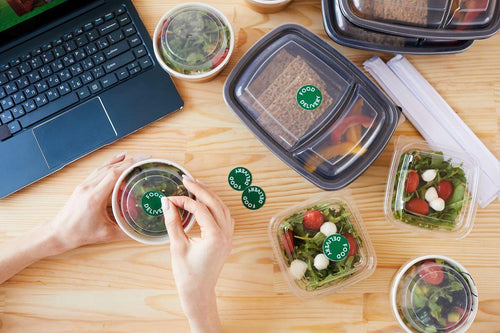
Customers rarely consider food packaging, but restaurant owners must. The wrong material compromises food quality and introduces safety risks. As delivery and takeaway orders rise, choosing the right daily containers has become a critical part of efficient restaurant operations.
This is where knowing plastic food container safety standards becomes important. These standards help determine whether a plastic container can maintain safety under normal use conditions.
A reliable supplier like Uratex supports food service needs with food-grade packaging solutions built for strict compliance. Continue reading to learn about the regulations that help ensure safer food packaging for restaurants.

Food container safety is determined through a combination of regulations, testing requirements, and certification processes that evaluate whether packaging materials are suitable for food contact. Understanding these standards helps restaurants reduce potential food safety risks.
Restaurant compliance begins with understanding the laws that determine whether food packaging is considered safe for public use. Under the Food Safety Act of 2013, or Republic Act 10611, food packaging materials are subject to standards intended to protect consumers from potential health hazards associated with food-contact materials.
A food package may be deemed unsafe if it contains or releases poisonous or deleterious substances that can compromise human health. Chemicals such as phthalates or styrene, as well as heavy metals like lead, may migrate into food under certain conditions. Exposure to these substances can be linked to long-term health risks, which is why strict control over packaging materials is essential for restaurants.
One of the key measures of food packaging safety is whether substances from the plastic can transfer into food during everyday use. This process, known as migration, becomes a concern when containers are exposed to conditions commonly found in restaurants such as heat, oil, and moisture.
The Food and Drug Administration (FDA) sets migration limits to control how much of these substances can safely move from packaging into food. Testing replicates scenarios such as transferring hot soups, oily fried dishes, and acidic sauces into containers to assess their safety during storage and to prevent the release of harmful chemicals.
Food packaging safety is strengthened when materials are backed by official certification confirming suitability for direct food contact. Food Contact Authorization (FCA) certification serves as this form of validation, providing manufacturers, importers, and food businesses with documented proof that packaging materials meet established safety expectations.
Through FDA Circular No. 2022-0011, the Philippine FDA introduced a voluntary certification system for food-contact materials. While not mandatory, FCA certification provides restaurants with added assurance that the containers they use have undergone proper evaluation for food safety compliance.
Not all plastics are equally suited for food applications, which is why identifying the correct resin type is an important part of food safety management. Certain resin types are widely recognized for their suitability in food-contact applications due to their resistance to chemical migration.

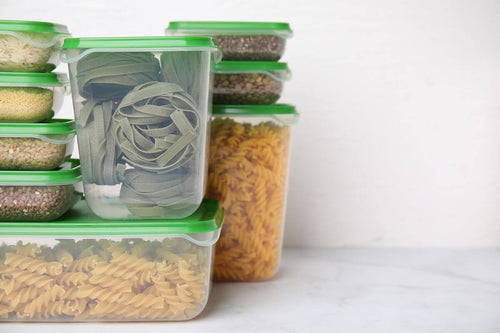
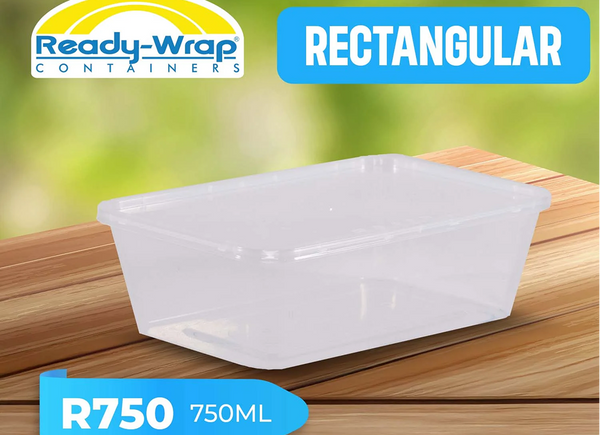
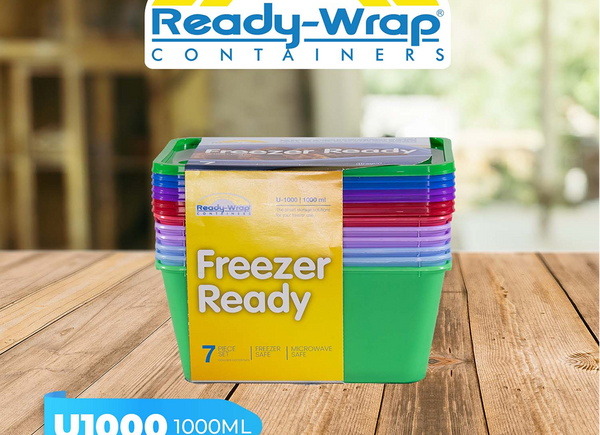
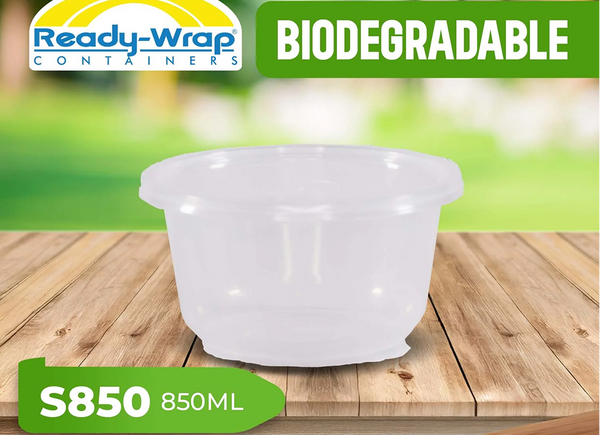
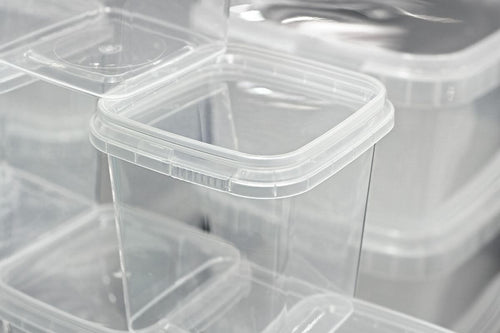
For restaurants seeking food containers that support both operational efficiency and food safety requirements, Uratex offers Ready-Wrap Containers: food-grade plastic packaging solutions designed for commercial food service. Our products are manufactured to support durability, hygiene, and dependable performance in different applications.
Every product in our line is BPA-free and crafted from eco-friendly, durable materials that retain their strength with repeated use. Available food packaging solutions include:
Plastic food container safety standards exist to ensure that packaging materials protect both food quality and consumer health. From compliance with Republic Act 10611 to migration testing and recognized certifications, these standards help restaurants evaluate whether a container is truly suitable for food-contact use.
With food-grade plastic solutions designed for commercial applications, Uratex helps restaurants access dependable packaging options that support their food safety goals. Contact us today to learn more about our food container solutions.
Learn how plastic food container suppliers make your investment valuable with durable, food-safe packaging from Uratex Ready-Wrap Solutions.
Read MoreLearn how local plastic food container suppliers support faster business growth with reliable packaging from Uratex Ready-Wrap Solutions.
Read MoreLearn how bulk food container supply helps improve cost control with Uratex Ready-Wrap Solutions, such as microwavable, freezer-ready, and biodegra...
Read More