





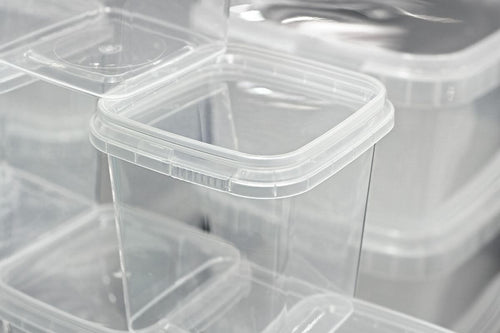
How Plastic Food Container Suppliers Make Your Investment Valuable
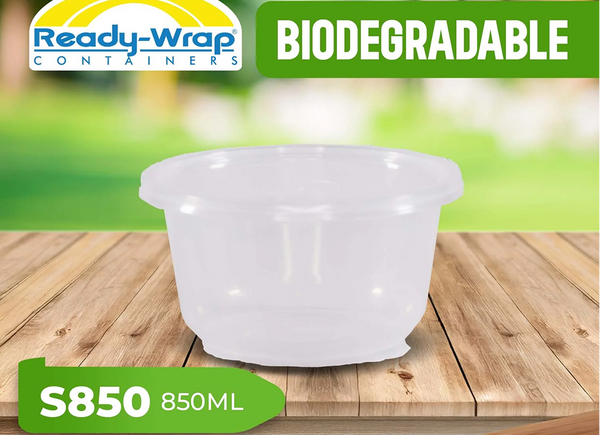
Learn how plastic food container suppliers make your investment valuable with durable, food-safe packaging from Uratex Ready-Wrap Solutions.
Read MoreOverview
- Switching polyurethane foam suppliers requires careful evaluation of quality consistency, industry compliance, raw material standards, technical support, customization, and supply chain reliability.
- Choosing a supplier like Uratex Philippines helps manufacturers maintain product performance, regulatory compliance, and long-term procurement stability while minimizing operational risks.
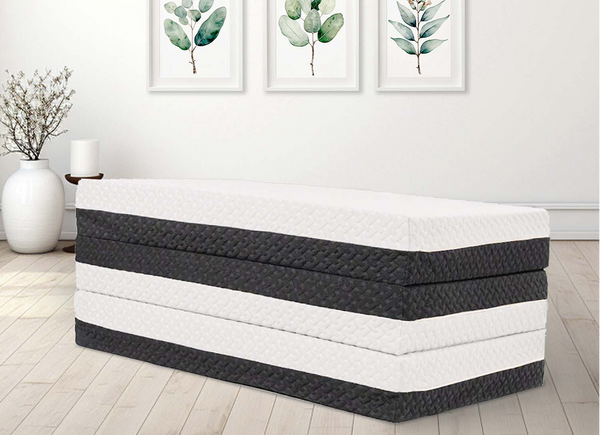
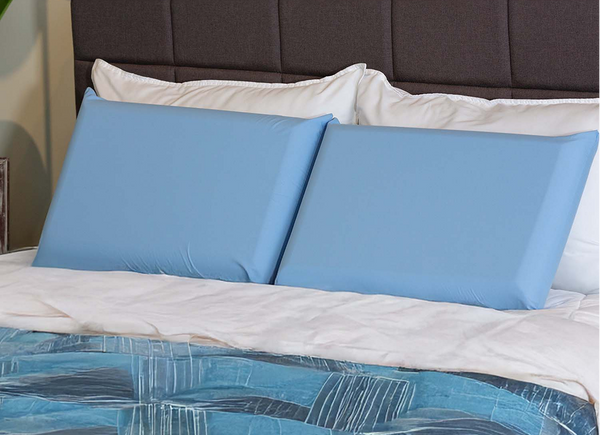
Polyurethane foam remains a critical material for manufacturing due to its balance of comfort and cost-efficiency. However, these characteristics are only consistent when the material comes from a supplier with controlled processes. If product demands call for stricter quality control, it may be time to find a supplier whose capabilities are up to par.
Understanding the key factors to evaluate when switching polyurethane foam (PU) suppliers in the Philippines is essential for maintaining specification consistency across batches. As a long-standing provider in the industry, Uratex Philippines offers reliable solutions designed for institutional and industrial requirements.
We’ll identify the critical evaluation points that support a more controlled supplier transition.

Quality control ensures that the foam maintains stable physical properties across all production batches. This sets the foundation for understanding supplier control systems and ensures that no deviation in specifications can affect product reliability.
Evaluate supplier compliance by examining how production processes monitor key performance factors like density, tensile strength, and compression set through standardized testing. Consistent internal controls or third-party verification help ensure material quality, reliability, and adherence to industry standards.
Beyond internal controls, compliance also requires close alignment with external performance benchmarks to validate the material’s safety. Foams must comply with relevant standards, such as flammability ratings or specific industry certifications, to verify their validity for use in manufacturing environments.
Identify whether your next supplier maintains strict quality standards for the materials they provide. Raw material quality determines the structural integrity and performance stability of the foam. Assess if the supplier consistently uses controlled-grade polyols to ensure that the foam produced can sustain repeated use.
Inconsistencies in raw material sourcing often end in variability in the finished output. Always ensure that your chosen supplier demonstrates stable formulation practices to ensure uniformity across production batches.
One of the factors that determines a supplier’s reliability is how well they execute technical support and customization. This affects how accurately foam specifications can be aligned with application requirements and how efficiently formulation issues are resolved during production.
A PU supplier that can accommodate customization needs is better able to adjust foam formulations based on specified performance requirements. This includes modifying density levels and incorporating specialized additives depending on the application. Assessing this capability ensures the supplier can deliver foam that aligns with precise manufacturing specifications.
When moving towards new suppliers, this capability helps identify if the new vendor can replicate or improve existing foam specifications. It helps assess whether formulation adjustments can be reliably transferred during transition or if redesign efforts will be required.
Technical support plays a critical role in resolving production issues efficiently. Assess whether the supplier offers structured engineering assistance, including lab testing and documented formulation guidance, to ensure adjustments meet performance standards while maintaining production consistency.
During supplier switching, this becomes a control point for determining the new supplier’s ability to resolve integration issues at the same level as the previous one. It helps assess how quickly they can troubleshoot deviations during transition and how they minimize risks during the early production phase.
When switching suppliers, professionals must avoid running into the same logistics problems from past procurement cycles. It’s important to identify the new provider’s reliability to maintain consistent material availability in manufacturing operations.
Production delays often occur not because of demand spikes, but because the new supplier cannot keep up with established lead times. Confirm if your supplier has the capacity to meet your volume requirements across both regular operations and peak demand periods. This helps prevent material shortages that can delay delivery commitments.
Evaluations must include how efficiently the supplier’s production systems perform under different volume demands. This way, you ensure that your chosen provider can handle increased order volumes and will not introduce variability throughout production.
Evaluating supply chain stability ensures that the raw materials sourced and delivered by the new supplier are resilient against sourcing delays. This includes assessing their contingency planning and inventory management practices. A stable supply chain reduces the likelihood of unexpected material shortages during manufacturing.
When switching suppliers, this evaluation helps determine if the new vendor can match or exceed the reliability of your current supply setup. It allows teams to identify potential gaps in sourcing before full transition, reducing the risk of introducing new supply vulnerabilities during the switch.

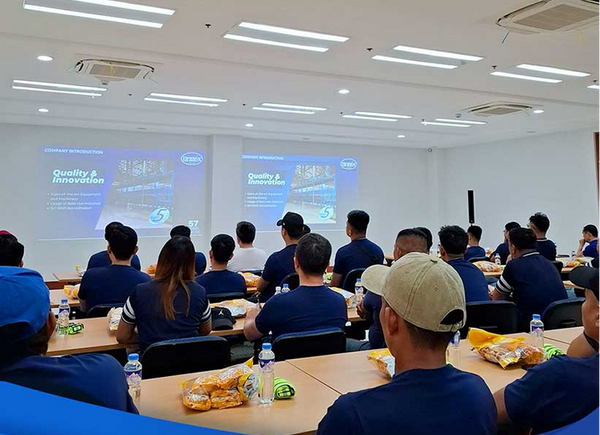
Uratex Philippines provides polyurethane foam solutions backed by strict quality control, advanced performance testing, and Quali 5 Cellular Technology to ensure structural stability across various applications.
Designed to meet ISO 9001, ASTM, and Philippine National Standards (PNS), our materials support consistent product quality, regulatory compliance, and cost-efficient long-term procurement for institutional and industrial manufacturing.
Understanding the key factors to evaluate when switching PU foam suppliers in the Philippines helps establish a strong framework for ensuring supply reliability remains aligned with operational requirements.
Uratex Philippines demonstrates how controlled manufacturing systems support these needs in various operational environments. Contact us today to learn more about foam solutions built for institutional and industrial use.
Learn how plastic food container suppliers make your investment valuable with durable, food-safe packaging from Uratex Ready-Wrap Solutions.
Read MoreLearn how local plastic food container suppliers support faster business growth with reliable packaging from Uratex Ready-Wrap Solutions.
Read MoreLearn how bulk food container supply helps improve cost control with Uratex Ready-Wrap Solutions, such as microwavable, freezer-ready, and biodegra...
Read More