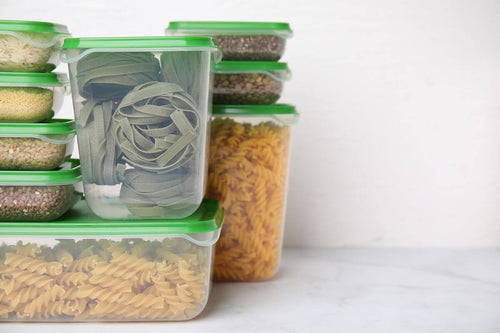










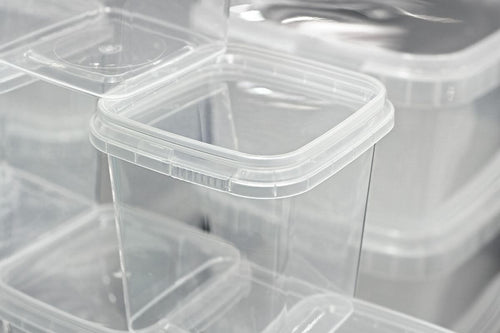
How Plastic Food Container Suppliers Make Your Investment Valuable
Learn how plastic food container suppliers make your investment valuable with durable, food-safe packaging from Uratex Ready-Wrap Solutions.
Read MoreOverview
- Hotel bedding can harbor hidden health and safety risks such as allergens, pests, and chemical contaminants that impact guest comfort and wellbeing.
- Operations Managers must prioritize hygiene, ergonomic design, and proper maintenance to prevent issues like allergic reactions, infestations, and workplace injuries.
- Partnering with reputable providers like Uratex ensures access to safe, durable bedding and supportive tools, streamlining hotel operations and guest care.
Stained pillows, worn mattresses, and poorly maintained bedding may seem like minor issues, but in a hotel environment, they pose real safety hazards. Hidden within these signs of wear are concerns like allergen buildup, microbial contamination, and diminished fire resistance.
Bedding interacts constantly with sweat, body oils, humidity, and frequent use, creating conditions where pathogens and material degradation can accumulate unnoticed. Understanding these factors is essential to preventing guest discomfort, maintaining hygiene standards, and reducing operational risks.
This guide highlights common hotel bedding safety risks, helping hospitality teams protect guests while keeping operations smooth and compliant.

Mattresses, pillows, and toppers can accumulate dust mites, bacteria, mold, and skin particles even with regular linen changes. These biological contaminants compromise guest comfort, trigger allergic reactions, and create hygiene concerns that can affect overall satisfaction.
Infestations from bed bugs and other pests penetrate mattresses and fabric layers, leaving droppings and shed skin that contaminate bedding. Beyond causing allergic reactions and skin irritation, infestations create sanitation challenges that can make rooms temporarily unusable until fully treated.
Dust mites, mold spores, and skin particles can embed deeply into mattresses and pillows, provoking sneezing, itching, watery eyes, and respiratory discomfort in sensitive guests. Over time, these allergens can escalate complaints and damage perceptions of cleanliness.
Sweat, body fluids, and microorganisms absorbed by bedding can carry bacteria, viruses, and fungi. Without proper cleaning or replacement, these contaminants risk cross-contamination between guests, increasing the potential for health incidents.
Worn or poorly designed mattresses and pillows can compromise spinal alignment and body support, contributing to musculoskeletal discomfort. Sagging surfaces or uneven padding increase the risk of back, neck, and joint pain, which can lead to guest complaints or operational liability.
Loose bedding, oversized comforters, or unstable mattress toppers can create tripping hazards for guests and housekeeping staff. Damp or uneven linens amplify these risks, highlighting the need for fitted, maintained, and routinely inspected bedding to ensure safety.
Bedding materials, treatments, and cleaning products can introduce chemical hazards if not carefully selected or managed. Substances intended to maintain cleanliness or durability—like stain-resistant coatings, flame retardants, or strong detergents—can irritate skin, affect breathing, or trigger allergies when present in excess.
Formaldehyde is sometimes found in mattress foams, fabric finishes, and flame-retardant treatments. Prolonged contact may irritate the skin, eyes, or respiratory system and can worsen asthma or cause allergic reactions. Selecting mattresses and linens with low or zero formaldehyde content reduces these risks while supporting guest health and safety compliance.
While essential for maintaining hygiene, detergents or bleach can leave chemical residues on bedding if overused or improperly diluted. These residues may provoke skin irritation, allergic reactions, or respiratory discomfort. Using hypoallergenic products and following recommended concentrations ensures cleanliness without compromising health.

Different bedding components carry varying safety risks, so understanding which items need special attention helps prioritize cleaning, inspections, and replacements.
Maintaining safe and hygienic bedding requires clear processes, reliable tools, and consistent monitoring. Following these practices helps protect guests and streamline operations.
A trusted distributor ensures mattresses, pillows, and bedding meet durability, hygiene, and safety standards. Suppliers offering bulk ordering, on-time delivery, and support simplify procurement while maintaining operational efficiency.
Uratex provides hospitality solutions with clear communication and transparency, helping hotels source safe, high-quality bedding that meets rigorous demands.
Mattress sliders, lifting straps, and trolleys reduce manual handling risks while maintaining safety and efficiency.
With Uratex, hotels can equip staff with ergonomic aids through bulk orders, protecting employees and supporting smooth housekeeping workflows.
Establish routines for mattress rotation, linen washing at proper temperatures, protective covers, and replacement documentation. Clear SOPs reduce allergens, maintain hygiene, and extend mattress life.
Train staff in safe bedding handling, lifting techniques, and spotting hygiene or damage issues. Skilled teams help ensure guest comfort, minimize health risks, and maintain compliance with safety standards.
Train staff in safe bedding handling, lifting techniques, and spotting hygiene or damage issues. Skilled teams help ensure guest comfort, minimize health risks, and maintain compliance with safety standards.
Understanding hotel bedding safety risks plays a critical role in protecting guest well-being, maintaining hygiene standards, and meeting fire and safety requirements across hospitality properties. Proactive attention to bedding quality, materials, and upkeep helps reduce operational risks while supporting long-term brand trust.
For hotels seeking dependable, hotel-grade bedding solutions, Uratex offers hypoallergenic mattresses, pillows, and accessories designed for high-traffic hospitality environments. With flexible bulk ordering, transparent processes, and dedicated support, we help properties maintain safety, comfort, and operational efficiency at scale.
Connect with Uratex to equip your rooms with bedding solutions that support guest satisfaction while reinforcing consistent, reliable hotel operations.
Learn how plastic food container suppliers make your investment valuable with durable, food-safe packaging from Uratex Ready-Wrap Solutions.
Read MoreLearn how local plastic food container suppliers support faster business growth with reliable packaging from Uratex Ready-Wrap Solutions.
Read MoreLearn how bulk food container supply helps improve cost control with Uratex Ready-Wrap Solutions, such as microwavable, freezer-ready, and biodegra...
Read More