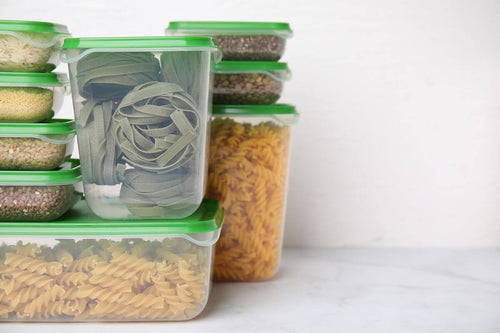





How Plastic Food Container Suppliers Make Your Investment Valuable
Learn how plastic food container suppliers make your investment valuable with durable, food-safe packaging from Uratex Ready-Wrap Solutions.
Read MoreOverview
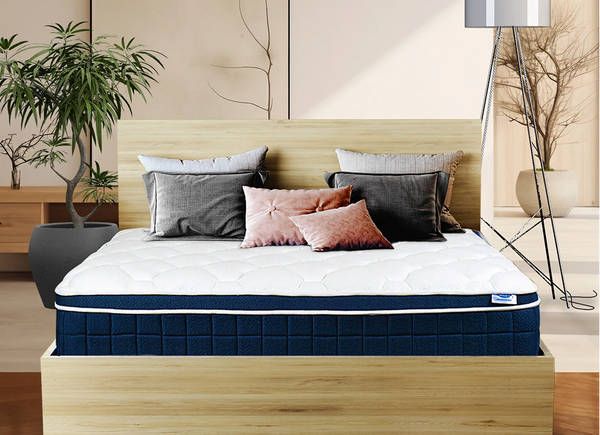
- Selecting the right firm hospital bed mattress for long-term care facilities improves patient comfort, safety, and recovery support.
- This article discusses essential factors such as firmness, density, pressure redistribution, edge support, cover quality, and mattress compatibility while highlighting recommended Uratex Theracare models designed for durability, infection control, and long-term healthcare use.
For medical institutions where patients spend long periods in bed, the appropriate firmness level can affect comfort, mobility, and recovery outcomes. Procurement decisions, therefore, carry weight beyond expense or availability, as durable bedding supports patient health by preventing pressure-related conditions and withstanding the demands of constant use.
Choosing the right firm hospital bed mattress for long-term care facilities delivers not just support but consistent care. Continue reading to learn more!
Density and firmness are two distinct properties with different purposes in mattress functionality. Density refers to how much material is packed into the foam, with heavier foam being more resistant to breakdown.
Firmness, on the other hand, describes how the mattress feels under pressure. In clinics or hospitals, a solid mattress provides sturdy support, helping maintain proper body alignment. The key is balance: selecting a mattress that is dense enough to last yet firm enough to support.
Patients who remain in one position for a long time are highly vulnerable to pressure buildup, specifically in parts where bones are close to the skin. This sustained pressure can limit blood flow, leading to discomfort, tissue damage, and pressure ulcers if not properly managed.
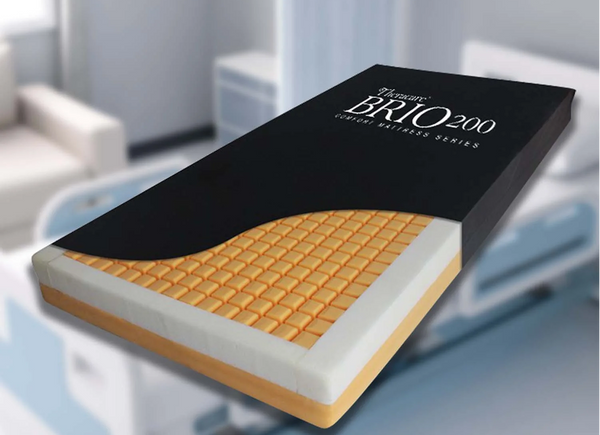
To resolve this, contemporary hospital mattresses incorporate pressure redistribution features such as castellated cuts, contoured surfaces, or multi-layered foam systems. All of these work together to distribute body weight more evenly across the mattress surface, minimizing stress on high-risk areas such as the hips, shoulders, and heels.
Hospital bed linens serve as the first line of defense against contamination, making them a crucial component in maintaining hygiene standards. Quality covers are built to be fluid-resistant, antimicrobial, and vapor-permeable, preventing liquids from seeping into the foam while still allowing airflow to reduce heat and humidity.
In addition, these covers should resist repeated exposure to disinfectants, abrasion, and everyday handling without cracking or peeling. A well-constructed cover not only protects the mattress core but also supports infection-control measures that maintain a secure, compliant care setting.
The edges of hospital mattresses are subjected to concentrated pressure as patients sit, reposition themselves, or prepare for transfers. Without adequate reinforcement, these parts can compress immediately, leading to instability and an increased risk of slips or falls.
Solid medical beddings with improved edge support maintain structure along the perimeter and provide a sturdy surface for patients and caregivers. This, then, enhances safety during transfers, aids mobility, and ensures the mattress retains its shape despite constant use.
Hospital beds are not one-size-fits-all; they vary in dimensions and functionality, especially with profiling beds that adjust to help various patient positions. A mattress that does not align with the bed frame can form gaps, uneven surfaces, or restricted mobility, all of which compromise patient safety and comfort.
Ensuring accurate size means choosing a mattress that fits within the bed’s dimensions and functions with adjustable features. This level of suitability enables seamless repositioning, reduces the risk of entrapment, and maintains strong support.

Not all mattresses are engineered for long-duration utilization. Healthcare institutions should factor in patient needs, mobility levels, and risk factors when selecting the right type.

With decades of expertise in foam technology and medical systems, Uratex has become a reliable associate for hospitals, clinics, and long-term care facilities in the Philippines. Our mattresses are made with high-quality memory and polyurethane foam, ensuring longevity, comfort, and reliable performance in demanding environments.
Choosing the right firm hospital bed mattress for long-term care facilities is a commitment to patient care. From density and firmness to pressure redistribution and durability, every factor contributes to safety, comfort, and functionality.
Trust Uratex for top-tier hospital mattresses like Theracare Series. With us, every patient receives the support they need, especially to achieve restful sleep and complete recovery. Reach out to us today to learn more about our offerings and how we can help your facilities comply with the right bedding standards.
Learn how plastic food container suppliers make your investment valuable with durable, food-safe packaging from Uratex Ready-Wrap Solutions.
Read MoreLearn how local plastic food container suppliers support faster business growth with reliable packaging from Uratex Ready-Wrap Solutions.
Read MoreLearn how bulk food container supply helps improve cost control with Uratex Ready-Wrap Solutions, such as microwavable, freezer-ready, and biodegra...
Read More