








How Plastic Food Container Suppliers Make Your Investment Valuable
Learn how plastic food container suppliers make your investment valuable with durable, food-safe packaging from Uratex Ready-Wrap Solutions.
Read MoreOverview
- School chairs play a key role in supporting student comfort, focus, and effective learning within well-structured classroom environments.
- Key considerations include ergonomics, proper sizing, durability, safety, and adaptability to different layouts.
- Selecting well-designed seating helps improve posture, maintain hygiene, and enhance classroom functionality for daily educational use.
School chairs are an integral part of a bigger learning setting that includes layout, teaching methodologies, and student engagement strategies. Understanding the key features to look for when sourcing school chairs contributes to a structured and comfortable classroom atmosphere.
This shows how seating can be integrated into a more structured approach to classroom planning and procurement. Considering how furniture aligns with broader institutional needs helps support more organized and functional learning environments.
For schools exploring classroom furniture options, working with established providers can offer access to seating solutions designed with durability, comfort, and functionality in mind, helping maintain practical and safe classrooms for daily use.

In classroom settings, ergonomic seating supports proper posture, spinal alignment, and comfort during long periods of use. This helps reduce physical strain and fatigue, allowing students to maintain better focus during lessons.
This refers to a chair’s ability to support correct sitting alignment. Features such as contoured backrests, appropriate seat depth, and lumbar support help maintain natural spinal positioning and reduce slouching.
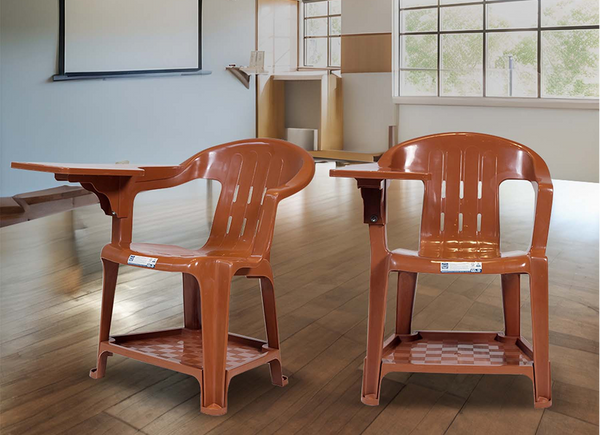
For schools aiming to support proper sitting posture in the classroom, the Uratex M Series Classroom Chairs offer seating solutions designed with student comfort and alignment in mind. Its ergonomic construction, supportive backrest, and well-proportioned seat dimensions help promote healthier sitting habits—making it a practical option for classrooms that prioritize both comfort and long-term learning focus.
Proper seat dimensions ensure students can sit with feet flat on the floor, knees at a 90-degree angle, and hips properly supported. Correct sizing improves posture, reduces discomfort, and supports focus during long school hours.
A waterfall seat edge is a gently curved front design that reduces pressure on the thighs, improves circulation, and helps prevent discomfort during extended sitting periods.
School chairs must withstand daily use, movement, and occasional spills. Durable, low-maintenance materials help ensure long-term functionality while reducing repair and replacement needs.
Chairs that are easy to clean help schools maintain hygiene without adding extra workload for staff. Features such as smooth, non-porous surfaces, stain-resistant materials, and minimal crevices help prevent dirt and spills from accumulating. Some designs also include wipeable finishes or water-resistant coatings, allowing for quick sanitation between classes.
Components such as seats, backrests, and armrests can be replaced when worn or damaged. This helps extend the lifespan of the furniture and makes maintenance more manageable for school staff. With replaceable parts, seating units remain functional and comfortable for students over many years of use.
Because chairs are frequently moved, rearranged, and used for different activities throughout the school day, thoughtful design is essential. Features that promote stability, ease of use, and student safety help create a learning environment that supports productivity and well-being.
Stackability refers to a chair’s ability to be neatly stacked for efficient storage, making it ideal for classrooms that require frequent reconfiguration and space management.
Weight is also important. Chairs should be light enough for easy handling yet stable during use, allowing students and staff to move, reposition, or stack them without compromising durability.
Classroom chairs are typically designed with smooth, rounded edges to prevent scratches or injuries, especially when students move around frequently. Non-slip feet or floor grips are also common, helping keep the chair stable and preventing it from sliding on smooth classroom floors.
Classroom Layout Adaptability

Modern classrooms support varied teaching styles, requiring furniture that adapts to changing layouts. Flexible chairs allow teachers to quickly adjust seating arrangements based on lesson or activity needs.
When chairs are properly matched with desk height, students can keep their feet flat on the floor, their arms at a natural angle for writing, and enough legroom underneath the table. This feature ensures smoother classroom setups and prevents discomfort during long study periods.
This includes the chair’s color, shape, and overall style, which contribute to creating a welcoming and organized learning environment. Well-designed chairs can complement the classroom’s interior while maintaining a clean and professional look.
Identifying key features to look for when sourcing school chairs supports student comfort, focus, and learning effectiveness. Uratex recognizes the role of proper seating in creating functional classroom environments and helps schools make informed furniture decisions.
With the Uratex M Series Classmate Chairs, schools can invest in durable, ergonomic, and easy-to-maintain seating solutions. Contact us today to equip your classrooms with furniture that enhances both student well-being and operational efficiency.
Learn how plastic food container suppliers make your investment valuable with durable, food-safe packaging from Uratex Ready-Wrap Solutions.
Read MoreLearn how local plastic food container suppliers support faster business growth with reliable packaging from Uratex Ready-Wrap Solutions.
Read MoreLearn how bulk food container supply helps improve cost control with Uratex Ready-Wrap Solutions, such as microwavable, freezer-ready, and biodegra...
Read More