




How Plastic Food Container Suppliers Make Your Investment Valuable
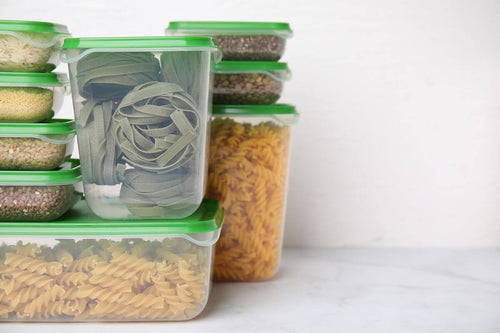
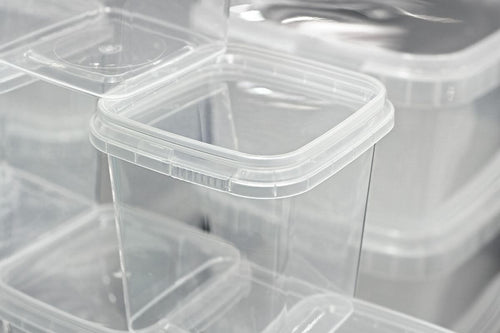
Learn how plastic food container suppliers make your investment valuable with durable, food-safe packaging from Uratex Ready-Wrap Solutions.
Read MoreOverview
- A well-chosen hotel mattress is essential in delivering comfort, durability, and hygiene, which directly impact guest satisfaction and operational efficiency.
- Key features include balanced firmness, breathable materials for temperature regulation, and added comfort layers that cater to diverse guest preferences.
- Uratex offers mattresses designed with these factors in mind, ensuring long-lasting support, breathability, and premium guest sleep experiences.
Selecting the right mattress is a critical decision in hospitality operations, yet it’s often addressed only during renovations, expansions, or brand upgrades. While comfort is usually top of mind, hotel mattresses are also tied to durability standards, guest experience consistency, and long-term operational costs—factors that directly affect daily performance and brand reputation.
In a hotel setting, mattresses are not just furnishings. They influence sleep quality, impact guest reviews, affect housekeeping efficiency, and determine how often replacements are needed across rooms and properties. Overlooking these connections can lead to higher turnover costs and inconsistent guest satisfaction.
This hotel mattress buying guide outlines the core considerations hospitality businesses should understand, helping you evaluate mattresses beyond surface comfort and make informed, operations-ready decisions.

In hospitality settings, mattresses are subjected to frequent use, regular housekeeping routines, and diverse guest preferences. While surface comfort often draws attention first, hotel mattresses must also support long-term durability, hygiene standards, and operational efficiency.
Understanding these core factors helps hospitality teams evaluate mattresses based on performance, not just feel. This ensures guest comfort while protecting long-term investments.
Hotel mattresses must retain their structure despite continuous occupancy and repeated cleaning cycles. High-quality internal components such as latex and memory foam help resist sagging, maintain shape, and support consistent comfort over time. Construction quality, edge reinforcement, and weight-bearing capacity all contribute to how well a mattress performs under long-term use.
When durability is prioritized, hotels reduce premature replacements, control maintenance costs, and maintain a consistent sleep experience across rooms. This is the key to sustaining guest satisfaction and operational stability.
Firmness affects how well a mattress supports spinal alignment and distributes body weight. In hospitality environments, medium to medium-firm options are often favored because they provide a balance between comfort and support while maintaining their feel through prolonged use.
Choosing the right firmness level helps create a sleep surface that accommodates a wide range of guests, reduces comfort-related complaints, and supports positive reviews without frequent adjustments or replacements.
Sleep quality is closely linked to temperature control. Mattresses designed with breathable materials, ventilated structures, or cooling technologies help manage heat buildup throughout the night. Features such as gel-infused foams and airflow-enhancing designs support a more stable sleeping temperature, regardless of room conditions.
By improving temperature regulation, hotels promote uninterrupted sleep, enhance room comfort perception, and contribute to a more premium guest experience.
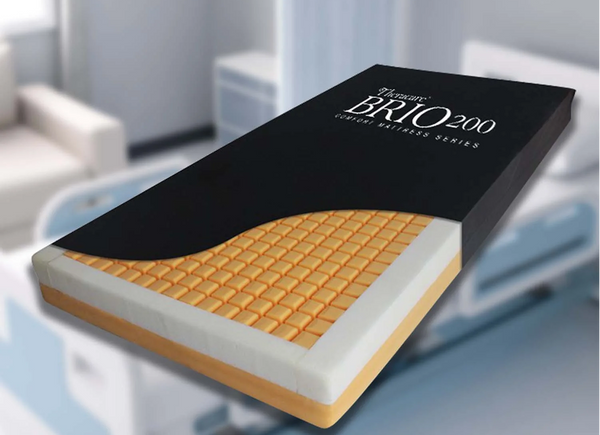
Additional comfort layers—such as memory foam, latex, or pillow-top materials—add cushioning and contouring to the mattress surface. These layers help relieve pressure points and reduce movement during sleep, supporting overall comfort.
Well-designed comfort layers work in harmony with the mattress core, improving immediate comfort while also supporting durability. This balance helps hotels maintain consistent sleep quality that encourages repeat stays and positive guest feedback.
Hygiene is a critical consideration in shared sleeping environments. Mattresses made with moisture-resistant, antimicrobial, or hypoallergenic materials help prevent the buildup of bacteria, allergens, and odors over time. These materials also support easier cleaning and faster turnaround between guests.
Investing in hygienic mattress materials helps protect guest well-being, supports cleanliness standards, and reduces long-term maintenance demands.
Edge support reinforces the perimeter of the mattress, preventing sagging when guests sit or sleep near the edges. Strong edge construction ensures full use of the mattress surface while maintaining stability and comfort.
For hotels, reinforced edges contribute to longer mattress lifespan, reduce visible wear, and support consistent comfort across repeated use—especially in rooms with high occupancy turnover.
A mattress warranty reflects confidence in its construction and materials. Coverage that includes sagging, material defects, or structural failure indicates long-term reliability and suitability for commercial use.
Reliable warranties help hotels manage risk, control replacement costs, and maintain consistent comfort standards without unexpected expenses, making them an important consideration in mattress evaluation.

A hotel mattress is only as reliable as the materials and construction behind it. The way support systems, foams, and fabrics are combined directly affects sleep comfort, durability under frequent use, and long-term maintenance costs.
Hybrid mattresses combine coil systems with foam layers to deliver both structural support and pressure relief. The coil base manages weight distribution and stability, while the foam layers enhance comfort and contouring.
Evaluating foam density, layer thickness, coil count, and coil gauge helps determine whether the mattress can accommodate different sleep preferences while maintaining performance across frequent room rotations.
Innerspring mattresses use metal coils as their primary support structure. Coil quality directly affects how well the mattress maintains firmness, resists sagging, and distributes weight evenly.
Higher coil counts and tempered steel coils improve durability, while well-designed comfort layers on top help balance support with guest comfort during continuous use.
Foam mattresses rely on layered foams to provide pressure relief and motion isolation. Indicators such as foam density and ILD (Indentation Load Deflection) reveal how the mattress will hold its shape and comfort level over time.
Multi-layer foam construction improves body support and helps manage heat, making these mattresses suitable for consistent, short-term guest stays when material quality is prioritized.
Breathable materials support airflow and reduce heat and moisture buildup. Open-cell foams, ventilated layers, and airflow-friendly support cores allow heat to dissipate more efficiently.
Better breathability results in cooler sleep surfaces, fewer comfort-related complaints, and improved guest satisfaction—especially in warmer climates or high-occupancy properties.
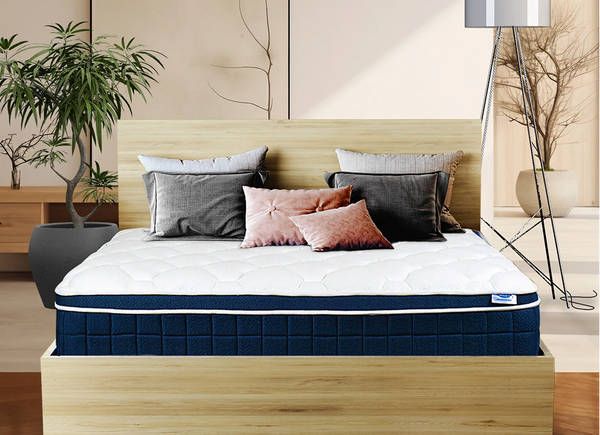
Uratex supplies hotel mattresses developed to meet the operational demands of hospitality properties, where durability, consistency, and hygiene are non-negotiable. Our mattress options are engineered with commercial-grade materials that maintain firmness, airflow, and structural integrity even under frequent guest turnover.
Designed for long-term use, Uratex mattresses feature stable support systems, breathable constructions, and hygienic components that resist sagging and deformation over time. For hospitality businesses, this translates to fewer replacements, predictable performance, and reliable comfort standards across rooms—all while maintaining cost efficiency at scale.
This hotel mattress buying guide outlines the essential considerations hospitality teams must evaluate when sourcing mattresses, including durability, firmness, consistency, temperature regulation, hygienic materials, and construction type.
Uratex supports hospitality operations with mattresses built for commercial environments—offering dependable support, breathability, and long-term value. Connect with our team to explore solutions tailored to your property’s operational and guest comfort requirements.
Learn how plastic food container suppliers make your investment valuable with durable, food-safe packaging from Uratex Ready-Wrap Solutions.
Read MoreLearn how local plastic food container suppliers support faster business growth with reliable packaging from Uratex Ready-Wrap Solutions.
Read MoreLearn how bulk food container supply helps improve cost control with Uratex Ready-Wrap Solutions, such as microwavable, freezer-ready, and biodegra...
Read More