








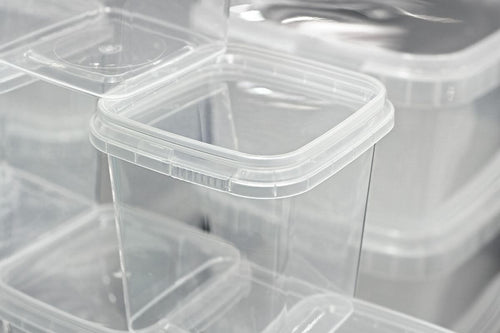
How Plastic Food Container Suppliers Make Your Investment Valuable
Learn how plastic food container suppliers make your investment valuable with durable, food-safe packaging from Uratex Ready-Wrap Solutions.
Read MoreOverview
- The article explains how choosing low-quality hotel mattresses to cut upfront costs often leads to higher long-term expenses. It highlights hidden financial and operational impacts such as frequent replacements, increased maintenance, and ongoing resource strain.
- Here, we emphasize that investing in durable, hotel-grade mattresses is a strategic decision that protects operational efficiency, guest satisfaction, and long-term profitability.
Many hotels focus on keeping mattress costs low to meet immediate budget targets, but the real financial impact often emerges well after installation. What seems like a smart cost-saving move can quietly lead to faster wear, frequent replacements, and mounting guest-related issues. These consequences place added pressure on maintenance schedules, room availability, and overall operational efficiency.
This article highlights the hidden costs of poor-quality hotel mattresses, examining how overlooked decisions can influence daily operations and long-term performance. By understanding these hidden expenses early, hotels can better assess risks that affect service consistency, reputation, and profitability.

Low upfront mattress pricing may appear budget-friendly, but it often introduces long-term financial and operational strain. Poor-quality hotel mattresses tend to deteriorate faster, requiring more frequent replacements and increased maintenance.
These issues create recurring expenses, disrupt workflows, and place unnecessary pressure on resources.
Low-grade mattresses wear down quickly. These show signs of sagging, uneven support, or structural failure after limited use. This short lifespan forces earlier-than-expected replacements, often well before the 7–10 years expected from hotel-grade bedding.
Beyond the purchase cost, hotels absorb additional expenses related to procurement cycles, logistics, installation, disposal, and staff coordination—turning short-term savings into long-term financial exposure.
Inferior mattresses demand more upkeep to remain presentable and functional. Increased cleaning, frequent adjustments, and temporary fixes consume staff time and disrupt daily operations. As maintenance demands rise, labor costs increase and housekeeping efficiency declines, compounding operational pressure.
Ongoing repairs, accelerated replacement schedules, and intensified sanitation efforts require more labor, supplies, and storage capacity. These recurring demands divert budgets and manpower from higher-value initiatives.
Over time, this resource strain quietly erodes productivity and limits operational flexibility.
Poor mattress quality extends beyond physical discomfort—it directly affects guest perception and brand credibility. When sleep quality suffers, satisfaction declines, leading to complaints, negative reviews, and reduced repeat business.
Inferior mattresses lack consistent support and pressure relief, resulting in restless sleep and ongoing discomfort. Guests may experience back or neck pain, stiffness, and fatigue, diminishing their overall stay experience.
When bedding also retains allergens or microbial contaminants, it can trigger respiratory irritation or skin sensitivity, further compromising perceived comfort and well-being.
Sleep-related complaints are among the most damaging issues shared in guest feedback. Discomfort tied to mattresses often leads to negative online reviews, influencing booking decisions and lowering conversion rates.
Repeated concerns erode trust and reduce return visits, forcing properties to increase marketing spend to replace lost demand.
Low-quality bedding materials are more prone to trapping moisture, dust, and biological contaminants. This raises concerns around cleanliness and sanitation, which guests quickly associate with overall service quality.
As hygiene issues become more visible, housekeeping workloads increase, and reputational risk grows—especially when cleanliness expectations are not consistently met.

Short mattress lifecycles create environmental consequences that often go unnoticed in day-to-day operations. Frequent disposal and replacement cycles increase waste output and resource consumption. This reveals another layer of the hidden costs of poor-quality hotel mattresses—one that affects long-term sustainability goals and corporate responsibility commitments.
Low-quality mattresses deteriorate quickly, leading to repeated disposal of bulky, non-biodegradable items. These products occupy significant landfill space and are difficult to recycle, accelerating waste accumulation and undermining sustainability initiatives.
Manufacturing and transporting replacement mattresses require continuous use of raw materials, energy, and fuel. Each replacement cycle adds to greenhouse gas emissions and intensifies resource depletion, expanding the property’s overall environmental footprint.
Inferior mattresses often rely on synthetic foams and chemical treatments that can leach harmful substances into soil and groundwater once discarded. Over time, this contributes to environmental pollution and highlights the importance of investing in durable, responsibly made bedding that supports both operational efficiency and sustainability objectives.
Avoiding the hidden costs associated with frequent replacements, guest complaints, and operational inefficiencies starts with choosing the right bedding partner. Uratex supports hospitality businesses with hotel mattresses engineered for long-term performance, helping properties control costs while maintaining consistent sleep quality across all rooms.
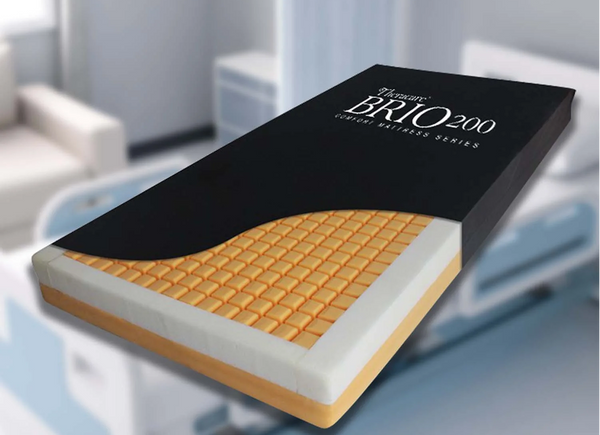
Each Uratex mattress is built using hotel-grade materials such as resilient polyurethane foam and hypoallergenic components that retain structure, support, and hygiene despite heavy daily use. Features including ergonomic support zones, enhanced breathability, and fire-resistant treatments are designed to align with operational standards, safety requirements, and long-term asset planning—making every purchase a strategic investment rather than a recurring expense.
Understanding the hidden costs of poor-quality hotel mattresses is essential for hotel Operations and Procurement Managers who want to protect budgets, maintain guest satisfaction, and reduce operational inefficiencies.
Uratex provides hospitality-focused mattress solutions that prioritize durability, comfort, hygiene, and regulatory compliance. With flexible bulk ordering, consistent supply, and dedicated support, we help hotels protect their investment, streamline operations, and deliver reliable sleep experiences at scale.
Connect with Uratex today to invest in hotel mattresses that support long-term performance, guest satisfaction, and business efficiency.
Learn how plastic food container suppliers make your investment valuable with durable, food-safe packaging from Uratex Ready-Wrap Solutions.
Read MoreLearn how local plastic food container suppliers support faster business growth with reliable packaging from Uratex Ready-Wrap Solutions.
Read MoreLearn how bulk food container supply helps improve cost control with Uratex Ready-Wrap Solutions, such as microwavable, freezer-ready, and biodegra...
Read More