





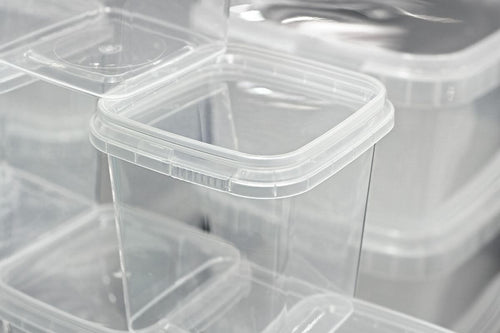
How Plastic Food Container Suppliers Make Your Investment Valuable
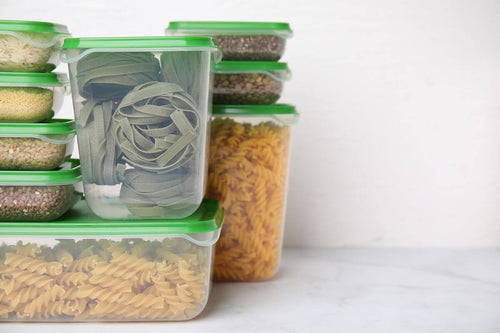
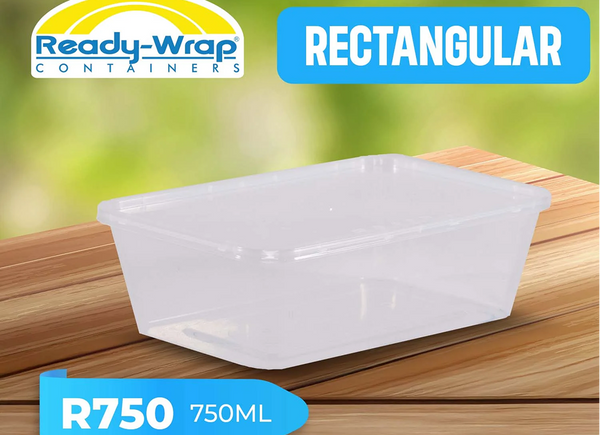
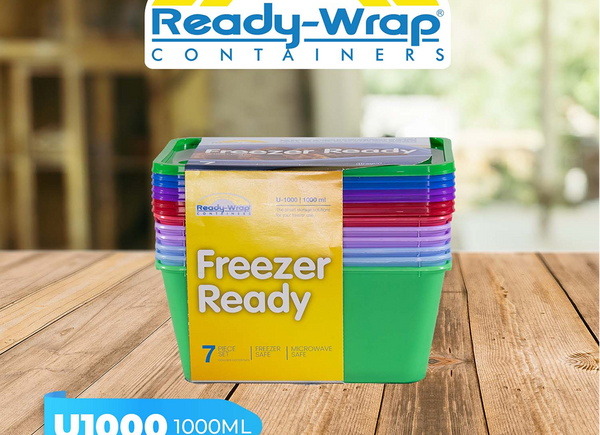
Learn how plastic food container suppliers make your investment valuable with durable, food-safe packaging from Uratex Ready-Wrap Solutions.
Read MoreOverview
- High-occupancy hotels face linen challenges such as shortages, wear and tear, logistical inefficiencies, and rising costs.
- These issues affect operations, housekeeping efficiency, and guest satisfaction.
- Effective procurement, durable materials, and proper inventory management help maintain quality, control expenses, and ensure consistent room readiness and positive guest experiences.
Hotels rely on high-quality linens to ensure guest comfort and a welcoming environment. These must be soft, durable, and easy to maintain, while constant use and frequent laundering can quickly test even the most resilient fabrics.
Having that in mind where common linen challenges in high-occupancy hotels can occur, the right selection and procurement decisions should be beyond aesthetics. It must be an essential part of keeping operations seamless and visitors fulfilled.

In large accommodations, linens are constantly cycled through washing, folding, and redistribution within tight timelines. Effective management of this process is essential, as even minor disruptions can impact housekeeping efficiency, delay room readiness, and affect overall guest satisfaction.
Linen shortages occur when essential items such as bed sheets, towels, or pillowcases run out. High guest turnover, laundry delays, and poor inventory tracking can quickly deplete stock. These gaps disrupt housekeeping operations and may leave rooms unprepared for incoming guests.
With Uratex Linens, hotels can access a complete range of durable, high-quality bedding and accessories designed for heavy use, helping maintain consistent room readiness and support efficient operations.
When sheets, towels, or pillowcases are not available on time, housekeeping tasks are delayed, slowing room turnover. This results in longer preparation times, reduced room availability, and potential disruptions to guest experience, highlighting the importance of efficient linen management.
Frequent laundering, \handling, and day-to-day guest use can gradually cause fabrics to thin, fade, or lose their softness and structure. This deterioration influences both the appearance and performance of linens, requiring accommodations to keep track of quality and replace items more than usual to maintain guest comfort and presentation standards.
When the movement of linens between housekeeping, laundry, and storage areas becomes disorganized, logistical inefficiencies arise. In busy accommodations, linens must circulate efficiently to keep rooms ready. Poor coordination, delays, or breakdowns in transport can prevent clean linens from reaching the right areas on time, slowing housekeeping operations and disrupting room readiness.
Beyond daily operations, managing hotel linens requires careful budgeting and inventory control. Monitoring stock levels while managing replacement costs is essential for procurement and operations teams to maintain efficiency and control expenses.
It happens when towels, sheets, or other hotel linens go missing or are damaged beyond use. This is due to guest removal, misplacement during laundry cycles, or accidental disposal. When shrinkage occurs, it increases replacement expenses and makes it more challenging for hotels to maintain sufficient stock for everyday workflows.
It's when the accommodation needs to promptly replace damaged, stained, or missing linens to maintain room readiness. These last-minute purchases can disrupt budgets, strain inventory management, and put pressure on procurement teams to source top-quality replacements on short notice. When these emergencies persist, understanding the importance of durable, reliable linens and proactive inventory planning becomes crucial.
Daily wash cycles, combined with the need to maintain hygiene and appearance, drive higher utility and labor costs. In the long run, these factors make laundry one of the largest recurring expenses for hotel operations.
Daily washing cycles, combined with the need for stain removal, high-temperature cleaning, and careful handling, drives up utility, labor, and detergent expenses. Over time, these recurring laundry demands can significantly maximize operational costs, especially when replacing worn-out items or managing large volumes.

In high-occupancy hotels, the condition and comfort of linens directly affect the guest experience. Maintaining high-quality linens that consistently meet guest expectations is essential for satisfaction, loyalty, and positive reviews, making it a key focus for hotel operations and procurement teams.
This is when linens fail to meet the hotel’s standards for appearance, softness, or durability. In high-occupancy settings, constant use and frequent washing can reveal defects, uneven wear, or color fading. Without strict monitoring, substandard linens may reach guest rooms, affecting comfort and the overall perception of the hotel.
These stem from visible or tactile issues with linens, such as stains, rough texture, or worn-out fabrics. These feedback points can damage a hotel’s reputation and influence future bookings. Consistently providing well-maintained, high-quality linens is essential to ensure positive guest experiences and maintain a strong brand image.
Transforming operations with smart procurement can be attained if common linen challenges in high-occupancy hotels are spotted early. Proactive inventory management and durable linen solutions help reduce disruptions, improve efficiency, and limit guest complaints, supporting better satisfaction and reviews.
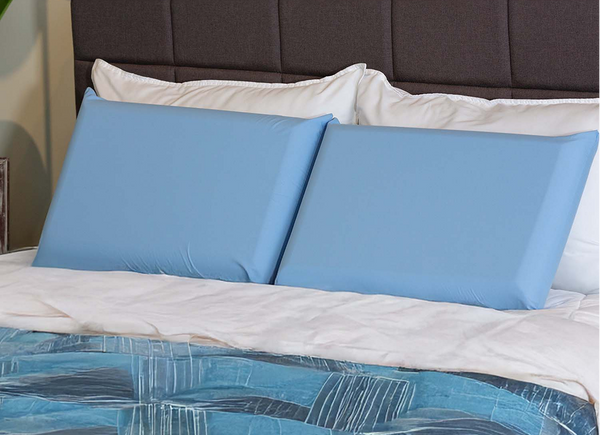
Choose Uratex for durable foam pillows, memory pillows, and bedding accessories designed for heavy use. Reach out to us today to streamline your linen management and elevate guest experiences!
Learn how plastic food container suppliers make your investment valuable with durable, food-safe packaging from Uratex Ready-Wrap Solutions.
Read MoreLearn how local plastic food container suppliers support faster business growth with reliable packaging from Uratex Ready-Wrap Solutions.
Read MoreLearn how bulk food container supply helps improve cost control with Uratex Ready-Wrap Solutions, such as microwavable, freezer-ready, and biodegra...
Read More