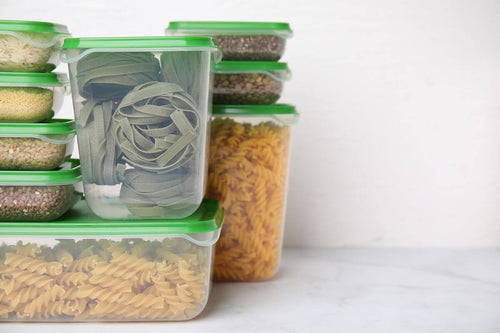





How Plastic Food Container Suppliers Make Your Investment Valuable
Learn how plastic food container suppliers make your investment valuable with durable, food-safe packaging from Uratex Ready-Wrap Solutions.
Read MoreOverview
- Upholstery foam plays a critical role in furniture comfort, durability, and longevity, even if it remains unseen. Selecting the right density and firmness ensures proper support, retention of appearance, and user satisfaction.
- Options such as high-resilience, memory, and bonded foam from Uratex help manufacturers effectively balance performance, cost, and application needs.
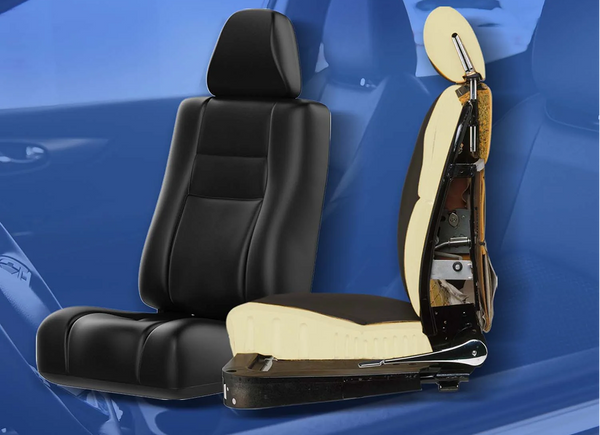
A customer may never see the foam hidden beneath a sofa's fabric or inside a lounge chair's cushions, but they will certainly feel its impact. The moment someone sits down, the foam determines whether the furniture feels supportive, comfortable, and built to last—or whether it loses its shape and appeal.
This is why choosing the right upholstery foam for furniture production is crucial to guarantee comfort and appearance through years of use. In contrast, selecting the right one can lead to premature sagging, expensive replacements, and dissatisfied customers.

When evaluating upholstery foam, density should be carefully considered, as it indicates how much material is contained within a given volume. While it is confused with firmness, density impacts durability, resilience, and how well the foam maintains its structure.
High-density foam is perfect for furniture that’s used daily. It contains more material within its structure, which resists repeated compression and helps it maintain its shape and support.
To choose commercial seating, hospitality furniture, office lounges, or premium residential products, look for high-density selections that provide long-term performance. Although the initial investment may be higher, its durability leads to lower replacement costs and greater customer satisfaction.
It provides a balance between comfort, durability, and cost-effectiveness. It suits well movable items that experience moderate daily use, which is a good choice for several residential sofas, accent chairs, and occasional seating applications.
Therefore, it’s best to use these types of foam because they provide reliable support without significantly increasing production costs. It can also be an excellent option when balancing product performance with budget considerations.
It’s best suited for decorative cushions, backrests, and furniture pieces that are used only occasionally. Because it contains less material, it tends to compress more immediately under constant pressure.
When checking low-density foam, consider whether the intended application prioritizes softness and affordability over structural performance. It can be effective in the right setting but may not be great for major seating surfaces.
While density impacts longevity, firmness distinguishes how the furniture feels when someone sits or reclines. Opting for the precise firmness level helps ensure the finished product aligns with user expectations and intended application.

Movable applications require different performance characteristics. With decades of manufacturing expertise, Uratex offers foam systems that help furniture makers adhere to design, durability, and comfort standards. From premium seating solutions to attainable production runs, we support diverse businesses to consistently achieve product quality across furniture categories.
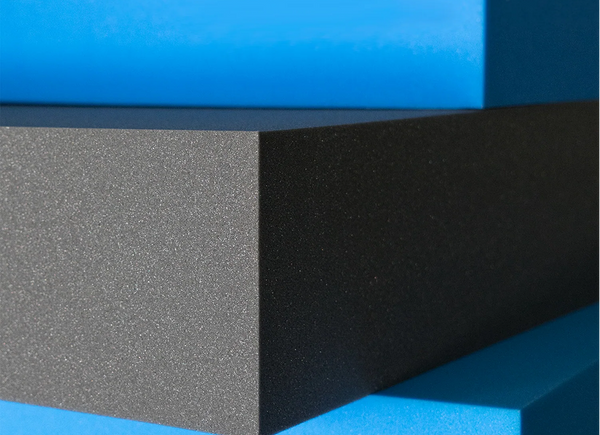
The following foam materials we offer include:
Choosing quality foam is only one part of successful furniture manufacturing. How materials are incorporated into the output can impact comfort, durability, and customer fulfillment.
It’s always best to combine numerous foam types within a single furniture piece. For example, manufacturers may use a high-density support core with a softer comfort layer on top.
Foam thickness must be tailored to the intended function of the furniture. Seating surfaces require greater thickness to manage weight distribution, while backrests may need less material to achieve the preferred comfort level. Before finalizing specifications, review how the furniture will be used and choose thickness levels that support structural integrity.
Materials such as fiberfill, batting, or protective wraps can improve softness and appearance and reduce friction between the foam and upholstery fabric. When properly mixed, these layers create a more refined product while extending the lifespan of the cushion and upholstery.
Choosing the right upholstery foam for furniture production requires careful evaluation of density, firmness, material composition, and application needs. By selecting foam aligned with product goals, manufacturers can maintain structural integrity and deliver lasting value to end users.
With decades of expertise in foam innovation and manufacturing, Uratex provides trusted solutions for furniture makers looking for consistent quality and performance. Contact us today to explore foam materials and discover how we can support your next project.
Learn how plastic food container suppliers make your investment valuable with durable, food-safe packaging from Uratex Ready-Wrap Solutions.
Read MoreLearn how local plastic food container suppliers support faster business growth with reliable packaging from Uratex Ready-Wrap Solutions.
Read MoreLearn how bulk food container supply helps improve cost control with Uratex Ready-Wrap Solutions, such as microwavable, freezer-ready, and biodegra...
Read More